

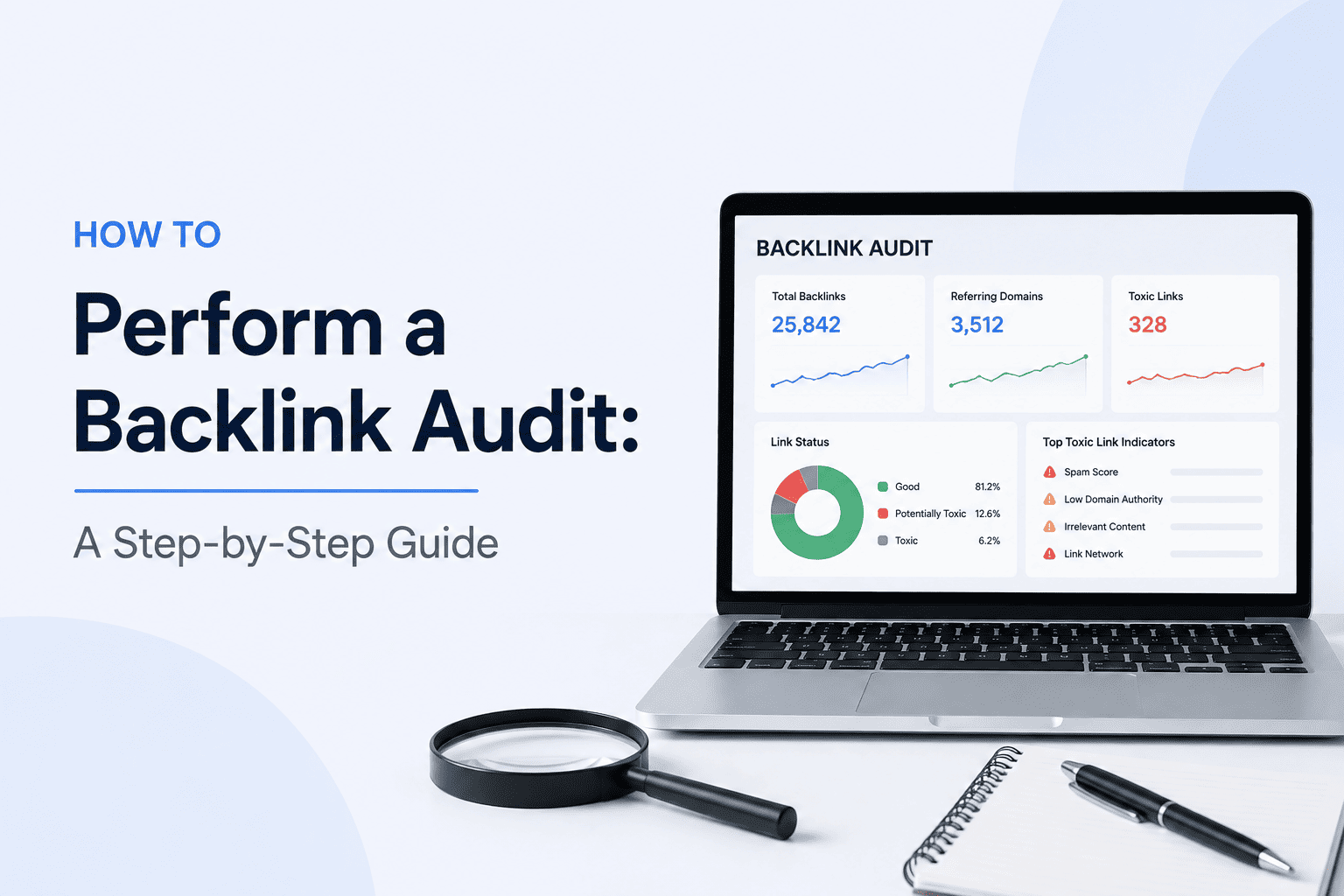


Building backlinks is essential for boosting search engine visibility, but managing those links over time is what protects your domain authority. Over months and years, every website accumulates low-quality citations, scraper links, and potentially over-optimized anchor text.
Knowing how to perform a backlink audit gives you complete visibility over your off-page SEO health. This guide breaks down the exact 4-step workflow to audit your referring domains, isolate toxic links, and maintain a safe, high-equity backlink profile.
Why Regular Backlink Audits Are Essential
A backlink audit is a comprehensive diagnostic checkup of your website's inbound link ecosystem.
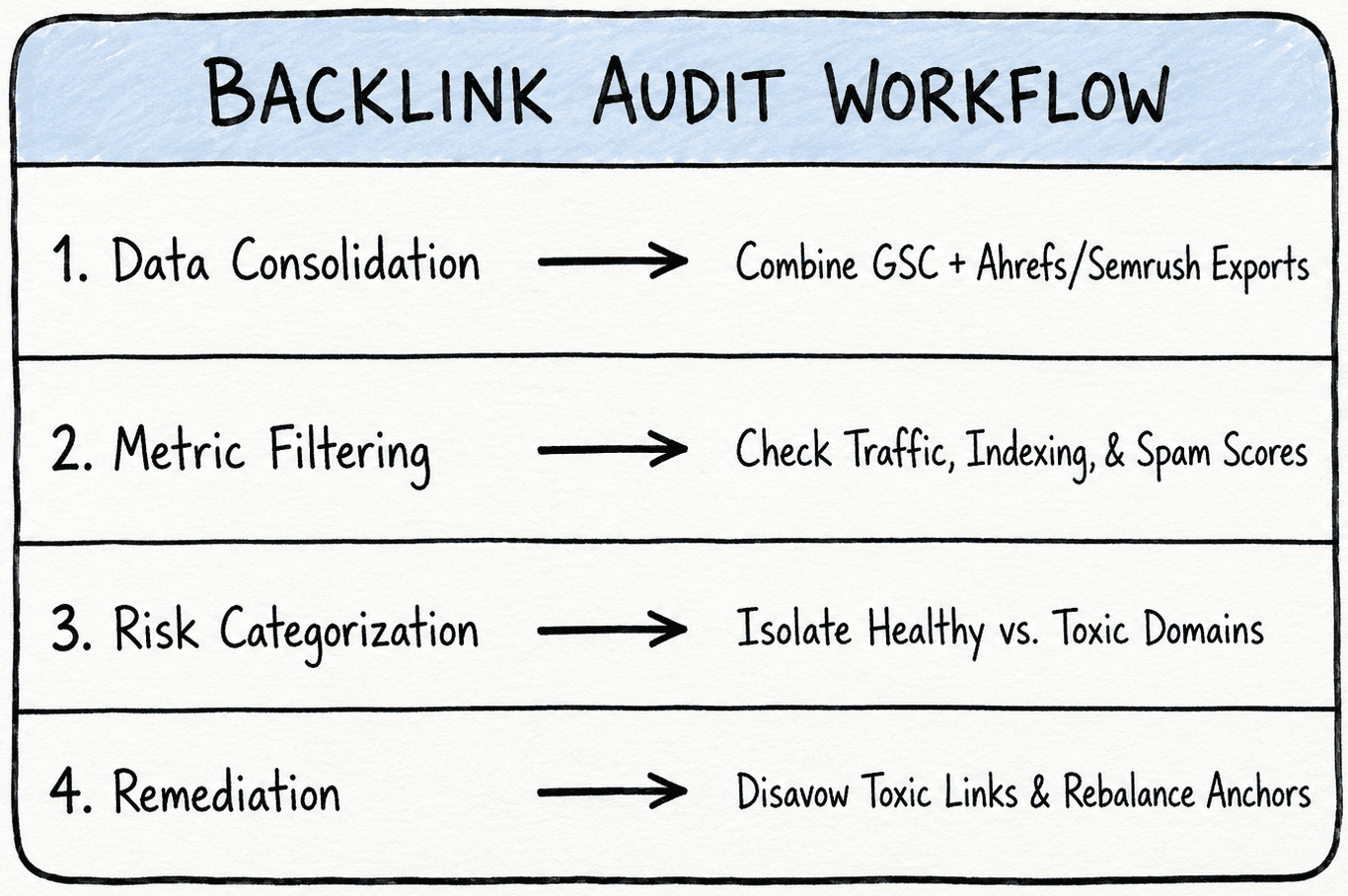
Failing to audit your backlink profile regularly exposes your domain to three major risks:
Algorithmic Devaluation: Systems like Google SpamBrain automatically neutralize low-tier links or suppress pages with unnatural link growth patterns.
Anchor Over-Optimization: Accumulating too many commercial exact-match anchors can trigger ranking filters on your money pages.
Negative SEO Vulnerability: Unmonitored sites can be targeted by automated spam blasts that degrade overall domain quality scores.
For a full breakdown of how backlink management fits into your broader SEO strategy, refer to our pillar guide:
Good to know
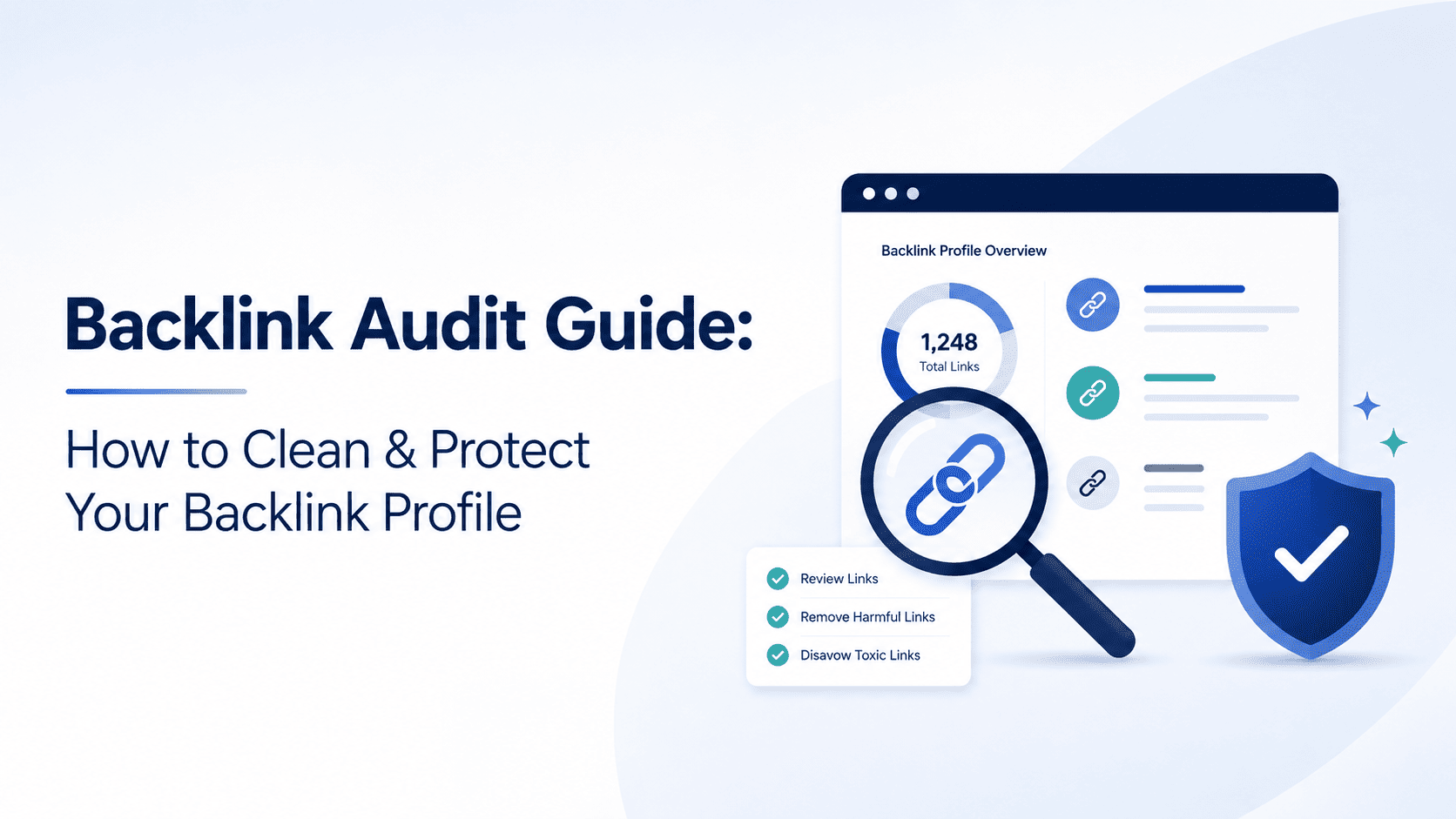
Regular backlink audits help you understand how your link profile is changing over time, but not every suspicious-looking link requires action. Google uses automated systems to detect and reduce the impact of many forms of link spam, so audits should focus on meaningful patterns rather than isolated low-quality domains.
- Track referring domains, anchor text, and link growth over time rather than reviewing backlinks only after rankings decline.
- Investigate sudden spikes in exact-match anchors or links from obviously unrelated networks.
- Separate links you intentionally acquired from unsolicited scraper or spam links.
- Use third-party toxicity scores as diagnostic signals, not as definitive evidence of a Google penalty.
- Review important landing pages individually for unusually concentrated anchor patterns.
- Document suspicious link-building activity before deciding whether cleanup is necessary.
- Compare audit results over time so genuine changes are easier to distinguish from normal backlink noise.
Best strategy: consistent monitoring + pattern analysis + cautious intervention + documented link history.
Step 1: Export & Consolidate Your Backlink Inventory
To perform an accurate audit, you must pull backlink data from multiple sources. No single SEO tool captures 100% of the web's link index.
Google Search Console (GSC): Go to Links > Export External Links. GSC provides the official links Google has indexed for your domain.
Third-Party SEO Tools: Export referring domain reports from Ahrefs, Semrush, or Moz.
Deduplicate by Unique Domain: Import all exports into a single spreadsheet. Group the data by unique referring domain rather than individual page URLs, as sitewide footer or sidebar links can distort your count.
Good to know
Backlink databases rarely show exactly the same links, so combining multiple sources gives you a more complete audit dataset. The key is to remove duplicates without losing page-level information that may be useful during manual review.
- Export backlink data from Google Search Console and at least one major third-party SEO platform.
- Standardize domain and URL formats before merging datasets.
- Deduplicate referring domains to avoid inflated counts from repeated or sitewide links.
- Keep the original linking URLs even after grouping domains for audit purposes.
- Separate sitewide footer or sidebar links from individual editorial placements.
- Record the source of each backlink so discrepancies between tools are easier to investigate.
- Refresh the inventory periodically to track new, lost, and returning links.
Best strategy: multiple data sources + clean normalization + domain-level grouping + preserved page-level detail.
Step 2: Evaluate Core Link Quality Metrics
Once your referring domain list is organized, evaluate each domain against three essential quality markers:
| Evaluation Metric | Healthy Target | Toxic Red Flag |
| Organic Search Traffic | > 1,000 visitors/month | 0 monthly visitors (Dead or penalized site) |
| Domain Spam Score (Moz) | 0% - 5% | > 15% (High spam signals) |
| Search Indexation | Pages are actively indexed | Site dropped completely from search index |
| Topical Relevance | Aligns with your industry | Un-themed (e.g., casino links to B2B SaaS) |
Good to know
Backlink audit data is rarely complete in any single platform, and third-party quality metrics are estimates rather than Google-defined standards. Consolidating multiple sources provides better coverage, while evaluating several signals together reduces false positives.
- Combine Search Console data with one or more third-party backlink indexes for broader coverage.
- Deduplicate referring domains, but retain individual linking URLs for deeper page-level investigation.
- Distinguish sitewide links from unique editorial placements so raw link counts do not distort the audit.
- Use estimated organic traffic as a quality signal rather than enforcing a universal minimum threshold.
- Treat Moz Spam Score and similar proprietary metrics as screening indicators, not proof that a domain is harmful.
- Check topical relevance, indexing, content quality, and outbound-link patterns together.
- Investigate sites with little or no estimated traffic before assuming they are penalized or worthless.
- Record the reason for flagging each suspicious domain so cleanup decisions remain auditable.
Best strategy: multiple data sources + clean deduplication + multi-signal evaluation + manual review before classification.
Pro Tip: Real organic traffic is always more important than third-party authority scores. A backlink from a DR 30 website with 3,000 monthly search visitors transfers far more ranking power than a DR 70 domain with zero traffic.
Step 3: Analyze Anchor Text Ratios & Flag Over-Optimization
A crucial phase of your backlink audit is checking how external sites anchor their links to your target pages.
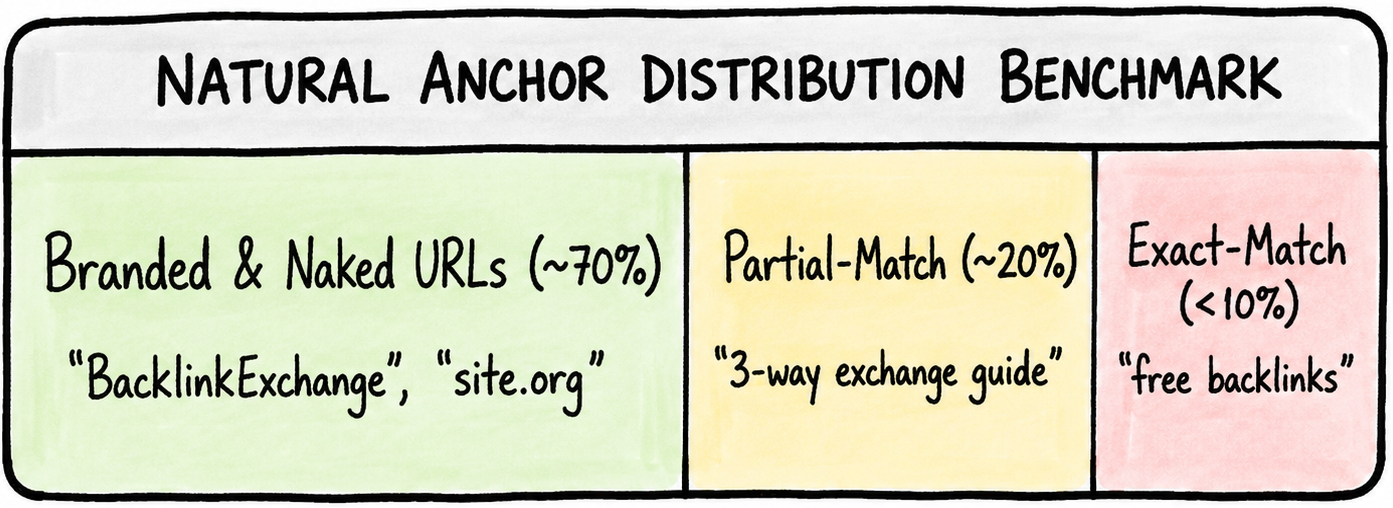
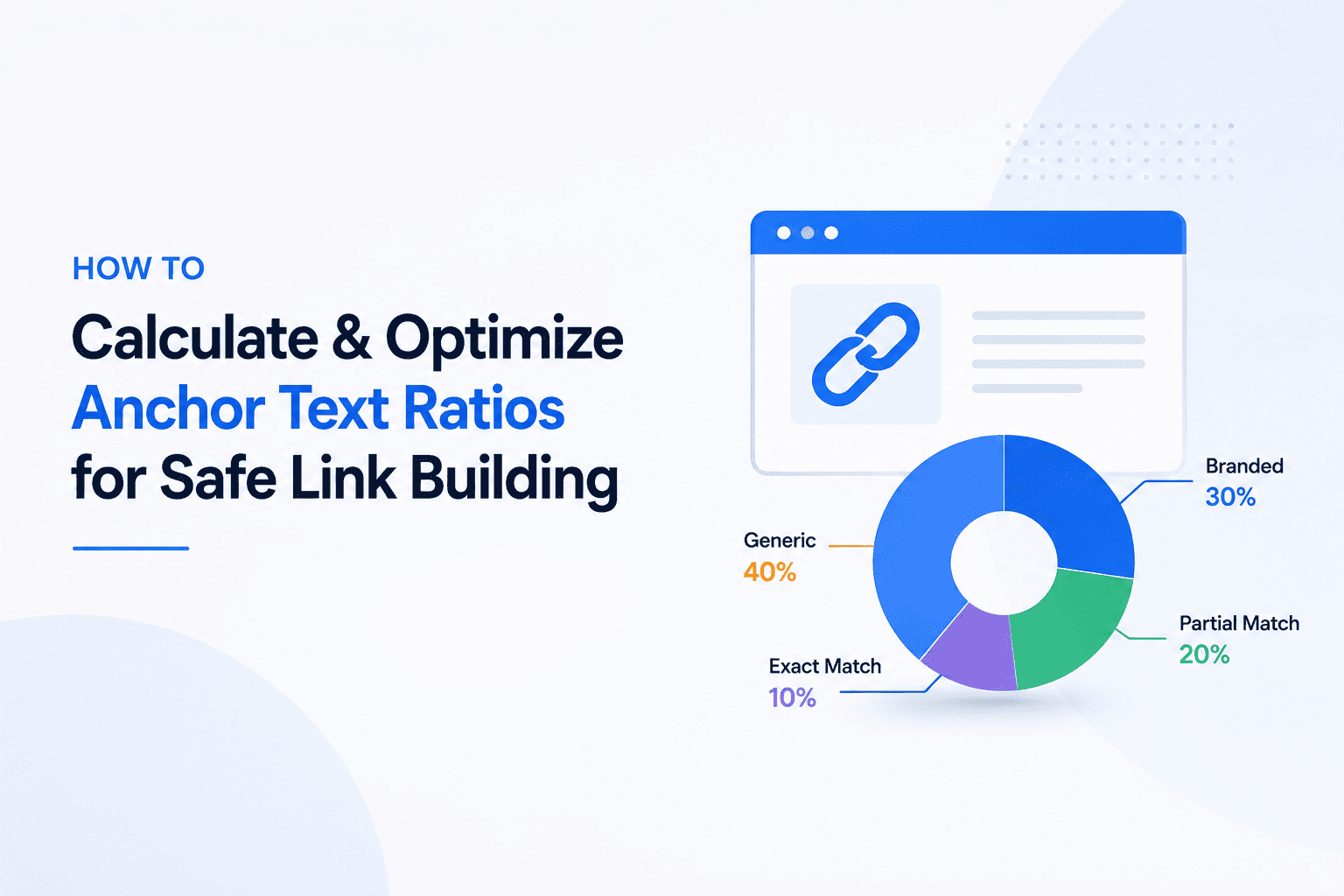
If your audit reveals that exact-match commercial search queries make up more than 10% of your total inbound anchors on a commercial page, your page is at risk of over-optimization penalties.
To learn how to calculate exact ratios and dilute risky keyword anchors, see our cluster guide on How to Calculate & Optimize Anchor Text Ratios for Safe Link Building:
Good to know
Anchor-text analysis is most useful when it reveals patterns, not when it is reduced to a single “safe” ratio. Natural backlink profiles vary by brand size, industry, page type, and how links were earned.
- Review anchor distribution at both the domain and individual landing-page level.
- Expect branded, URL, and descriptive anchors to make up a large share of naturally earned links.
- Flag repeated exact-match commercial anchors pointing to the same page.
- Investigate sudden increases in keyword-rich anchors, especially if they come from low-quality or coordinated sources.
- Compare anchor patterns with relevant competitors for context, not as a formula to copy.
- Avoid forcing new links to meet a predetermined percentage target.
- Evaluate anchor text together with link relevance, placement quality, and referring-domain patterns.
Best strategy: natural anchor diversity + limited exact-match repetition + page-level review + contextual analysis.
Step 4: Clean Toxic Links & Rebuild Lost Equity
Once you have flagged toxic or high-risk domains, take structured action based on severity:
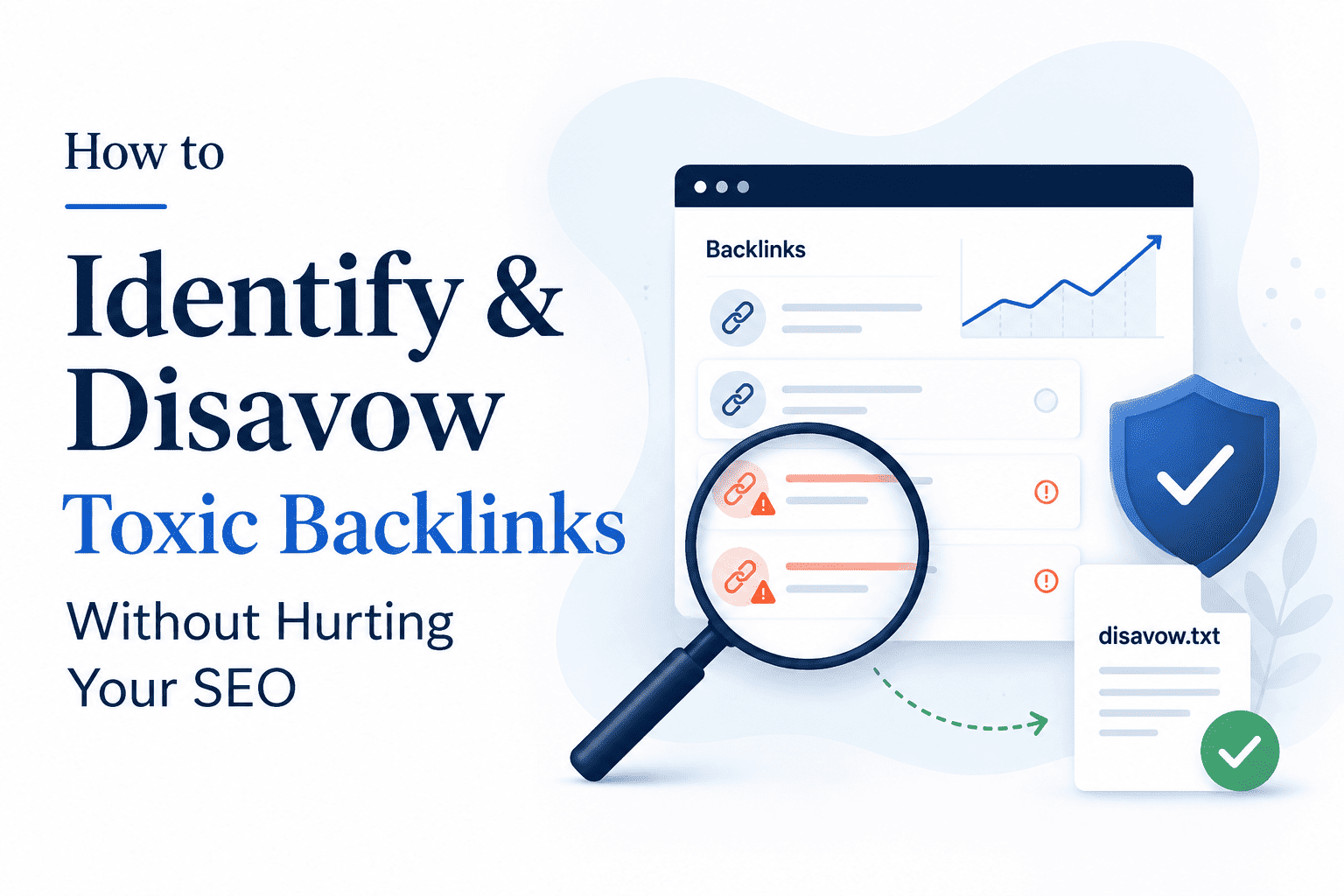
Manual Removal Outreach: For high-risk placements, contact the site owner or webmaster to request a manual link removal or tag change to
rel="nofollow".Generate a Google Disavow File: If manual removal fails and you face confirmed manual actions or massive spam attacks, create a plain text file (
.txt) formatted for Google's Disavow Tool:- Rebuild Lost Equity with Safe Links: Removing toxic links can lower your total backlink volume. Rebuild your authority safely by acquiring fresh, non-reciprocal links using 3-way exchange architectures (A → B → C → A).
# Disavow spammy domain
domain:toxic-spam-network.com
domain:low-quality-directory.netRead our core guide on ABC Link Building: The Ultimate Guide to 3-Way Backlink Exchanges to learn how to scale domain authority without triggering reciprocal footprint penalties.
Good to know
Link cleanup should be proportional to the actual risk. Many low-quality backlinks are simply ignored by search engines, while the Disavow Tool is intended for more serious cases involving manipulative links or manual-action concerns.
- Prioritize links you knowingly built, purchased, or acquired through questionable schemes.
- Request manual removal when a problematic placement is clearly identifiable and controllable.
- Use
nofollowor other appropriate link attributes when a relationship should not pass ranking signals.- Reserve disavow files for cases where there is a strong reason to believe harmful links are affecting the site.
- Keep a record of domains removed, disavowed, or reviewed so future audits remain consistent.
- Do not equate a drop in backlink count with a loss of meaningful authority.
- Rebuild with relevant, editorially justified links from diverse sources rather than replacing one artificial pattern with another.
Best strategy: targeted cleanup + cautious disavow use + documented decisions + diversified editorial link acquisition.
Automating Safe Link Building Post-Audit
Conducting regular backlink audits ensures your website maintains a clean, high-performing foundation. However, replacing lost links with safe, high-authority placements through manual outreach can be time-consuming.
Using automated exchange platforms like BacklinkExchange.org allows you to acquire contextual, non-reciprocal backlinks from verified, traffic-checked software and business websites ensuring your backlink profile remains healthy, relevant, and penalty-free.